
Locations
The Advantages Of Public Transport In Triangle, NC
Alcove Team · 11/30/25
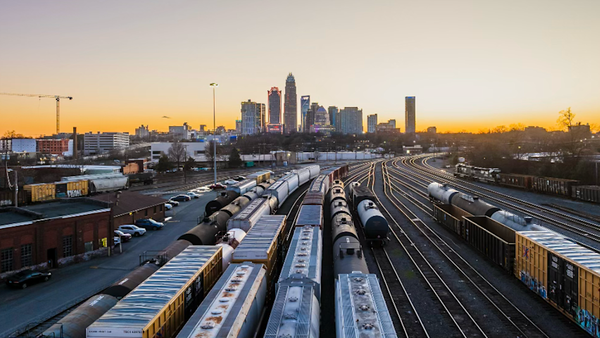
Taking advantage of public transport in the Triangle, NC, can save you money, time, and hassle if you need to commute in the Research Triangle Area.
Public Transport Triangle, NC - Our Guide
The Triangle area of North Carolina is growing rapidly, it includes the areas of Raleigh, Durham, and Chapel Hill. Lots of young professionals and students have moved here due to the universities and booming job market in healthcare, tech, and other industries.
This high population growth means that commute times have gotten longer due to traffic. Using public transport is a great alternative to driving in the triangle area and is often more affordable.

What Types Of Public Transport Does The Triangle NC Area Have
The triangle NC area has lots of different public transport options, from public bus transport options to free university transport, depending on your needs.
GoTriangle Public Transport Bus Service
GoTriangle is a bus network that connects Raleigh, Durham, Chapel Hill, and Cary, making it one of the easiest ways to move between cities.
This public transport bus service offers park and ride services ideal for commuters and connects to the other bus networks like GoRaleigh. It has express routes and bus hours timed around commuting for ease of transport.
University/Work Shuttles
The Triangle, NC, has three major universities and large companies, which often provide free shuttles for their employees. Wolfline has its own shuttles, Duke University, and UNC shuttles for ease of transport.
Raleigh Public Transport
The RLine - This is a 15-minute circulator route that connects you to some of the best hotels, restaurants, and entertainment options downtown.
GoRaleigh - Raleigh's own bus line with weekday and weekend service connecting with the GoTriangle bus network.
Durham Public Transport
GoDurham - Provides reliable bus transport to universities like Duke University and downtown Durham. Also connected with GoTriangle.
Chapel Hill Public Transport
Chapel Hill Transit - This public transport service is free and offers park and ride, transport to major neighborhoods, and serves UNC, Chapel Hill, and Carrboro.
The Benefits Of Public Transport In the Research Triangle Area
Using the public transport in the Research Triangle Area has several benefits for commuters and residents -
Affordability - Monthly passes, student discounts, and parking can all save you money compared to driving your daily commute.
Convenience - Commuting via bus allows you to relax, answer emails and make phone calls, or catch up on reading on the way to work.
Accessible - All of the public transport networks we mentioned connect to major cities, universities, and hospitals.
Environmental impact - Public transport can help reduce greenhouse gas emissions.
Reduced traffic - Fewer cars means less traffic and congestion on the road.

Tips For Using Public Transport in Triangle, NC
Don’t be late - Some of these mentioned bus networks operate on a strict daily schedule, so arrive at the stops a few minutes early to ensure you don’t miss it.
Familiarise yourself with the stops - Understand which stop you need to get off at and the major hubs.
Plan ahead - Check bus routes and times on their apps to plan your route and check for any live updates.
Combine transport modes - Cycling or walking to the bus stop or from the bus stop can save time.
How To Save Money On Public Transport In Triangle, NC
Use monthly passes - GoTriangle and other bus networks offer monthly passes and weekly passes, which can save you money rather than paying per ride.
Student discounts - Universities often provide free transit passes.
Park and ride - Helps you avoid paying hefty parking fees in the city.
Off-peak travel - Some of these transport options often offer lower fees when you travel during non-peak hours.
Future Public Transport In the Triangle Area
Since population and jobs are rapidly increasing in the Research Triangle Area, we are likely to see exciting public transport options develop over the next few years.
There has been ongoing development of light rail and rapid bus transit lines in Raleigh, as well as adding more routes for increased connectivity.
Developers are also still pushing for a commuter rail for the Triangle and securing a Raleigh-Richmond rail link. The RDU airport is also expanding with plans for improved road access and a new runway, increasing international transport links.
Alongside these developments, we expect to see more smart tech when it comes to public transport, such as real-time tracking and smart scheduling.